Understanding the Condition of Old or Damaged Cabinets
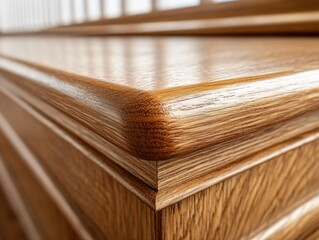
Old or damaged cabinets often show signs of wear that reflect years of daily use. Scratches, dents, faded finishes, water stains, and loose joints are common issues, especially in kitchens where heat, moisture, and constant handling take their toll. While these problems may make cabinets look tired or neglected, they do not always mean replacement is necessary. In many cases, the underlying structure of the cabinets remains solid, making refinishing a viable and effective solution.
Before Cabinet Refinishing begins, it is important to understand the true condition of the cabinets. Superficial damage such as surface scratches or discoloration can usually be corrected through sanding and finishing. Even moderate damage like chipped edges or small cracks can often be repaired with wood fillers and careful craftsmanship. The key factor is structural integrity. Cabinets that are still sturdy and properly installed are excellent candidates for refinishing, regardless of how worn they appear on the surface.
Recognizing that cosmetic damage does not equal failure helps homeowners see the potential in their existing cabinets. Refinishing allows these cabinets to be restored and modernized rather than discarded, preserving both function and character.
Why Refinishing Is Ideal for Aging Cabinets
Many older cabinets were built with materials and construction methods that are difficult to replicate today. Solid wood frames and doors are common in older homes, offering durability that often surpasses newer mass produced alternatives. Refinishing allows homeowners to retain this quality while addressing the visible signs of age.
Over time, finishes naturally break down due to exposure to light, grease, and cleaning products. This can cause cabinets to look dull or uneven, even if the wood beneath is still in excellent condition. Refinishing removes the damaged finish and replaces it with a new protective layer, restoring both beauty and protection.
For homeowners attached to the original character of their home, refinishing provides a way to update cabinets without erasing their history. The original design elements can be preserved while the finish is refreshed to suit modern tastes. This balance between restoration and renewal makes refinishing especially appealing for aging cabinets.
Addressing Common Types of Cabinet Damage
Old cabinets often suffer from specific types of damage that develop gradually. Water damage is one of the most common issues, particularly around sinks and dishwashers. Moisture can cause finishes to peel and wood to discolor. In many cases, refinishing can correct these issues by drying, repairing, and sealing the affected areas before applying a new finish.
Scratches and dents are another frequent concern. These marks may result from daily use, moving items, or accidental impacts. While they can make cabinets look worn, most surface level damage can be sanded smooth or filled prior to refinishing. Once the new finish is applied, these imperfections are often completely hidden.
Fading and yellowing are also common in older cabinets, especially those exposed to sunlight. Refinishing eliminates these color inconsistencies and allows homeowners to choose a fresh, uniform finish. By addressing these common forms of damage, refinishing restores cabinets to a condition that feels both functional and visually appealing.
The Refinishing Process for Damaged Cabinets
Refinishing old or damaged cabinets requires a careful and methodical process to ensure lasting results. The first step is thorough cleaning to remove grease, dirt, and residue that have built up over time. This step is essential, as contaminants can interfere with repairs and finish adhesion.
Next comes surface preparation, which typically involves sanding. Sanding removes the old finish and smooths out imperfections. For damaged areas, repairs are made using wood fillers or bonding materials designed to restore shape and strength. Loose joints or minor structural issues are addressed to ensure the cabinets remain sturdy.
Once preparation and repairs are complete, the new finish is applied. This may involve staining, painting, or applying a clear protective coating, depending on the desired look. Multiple coats are usually applied to achieve even coverage and durability. This process transforms cabinets that once appeared beyond saving into refreshed, functional features of the home.
Extending the Life of Cabinets Through Refinishing
One of the most significant benefits of cabinet refinishing is its ability to extend the life of old or damaged cabinets. Instead of replacing them, refinishing reinforces and protects existing materials. New finishes act as a barrier against moisture, stains, and everyday wear, helping cabinets withstand continued use.
This extended lifespan translates into long term value. Homeowners avoid the cost and disruption of full cabinet replacement while enjoying cabinets that look and perform like new. Properly refinished cabinets can last many additional years with basic care and maintenance.
Refinishing also allows homeowners to address issues early before damage becomes severe. By restoring cabinets at the right time, it is possible to prevent further deterioration and maintain the overall condition of the kitchen or bathroom. This proactive approach supports both functionality and aesthetics.
Improving Appearance Without Losing Character
Old cabinets often contribute to the unique character of a home, especially in older or custom built properties. Replacing them entirely can sometimes remove design elements that give a space its charm. Refinishing offers a way to enhance appearance while preserving original details such as door profiles, wood grain, and craftsmanship.
Homeowners can choose finishes that complement the home’s style, whether that means maintaining a classic look or introducing a more contemporary feel. For example, a traditional cabinet design can be refreshed with a modern color, creating an updated yet timeless result. Alternatively, a natural stain can highlight the original wood and emphasize its age and quality.
This ability to improve appearance without sacrificing character makes refinishing particularly valuable for old cabinets. It respects the past while adapting to present day preferences.
Cost and Practical Advantages of Refinishing Damaged Cabinets
Refinishing old or damaged cabinets is often far more cost effective than replacement. Full cabinet replacement involves not only the cost of new cabinetry but also labor, disposal, and potential adjustments to countertops or flooring. Refinishing focuses on improving what is already there, significantly reducing expenses.
In addition to cost savings, refinishing is less disruptive. Cabinets remain in place, and the project timeline is typically much shorter. This minimizes inconvenience and allows homeowners to continue using their space with minimal interruption.
From a practical standpoint, refinishing is also more sustainable. Reusing existing cabinets reduces waste and conserves resources. For homeowners seeking a responsible and efficient upgrade, refinishing damaged cabinets offers clear advantages.
When Refinishing Is and Is Not the Right Choice
While refinishing is highly effective for many old or damaged cabinets, it is not suitable in every situation. Cabinets with severe structural damage, extensive rot, or compromised frames may not be good candidates. In such cases, replacement may be necessary to ensure safety and functionality.
However, many cabinets that appear heavily worn are structurally sound beneath the surface. A professional assessment can help determine whether refinishing is appropriate. Understanding this distinction helps homeowners make informed decisions and avoid unnecessary replacement.
When cabinets are fundamentally solid, refinishing is often the best option. It provides restoration, improvement, and protection without the drawbacks of a full renovation.
The Value of Professional Refinishing for Damaged Cabinets
Refinishing old or damaged cabinets requires skill, experience, and attention to detail. Professionals understand how to evaluate damage, choose appropriate repair methods, and apply finishes that last. Their expertise ensures that repairs blend seamlessly with the rest of the cabinet and that the final finish is smooth and durable.
Professional refinishing also reduces the risk of common mistakes such as uneven sanding, poor adhesion, or inadequate curing. These issues are especially important when working with damaged cabinets, where proper preparation is critical.
By working with professionals, homeowners gain confidence that their cabinets will not only look better but also perform well over time. This investment in craftsmanship often results in higher satisfaction and longer lasting results.
Final Thoughts on Cabinet Refinishing for Old or Damaged Cabinets
Cabinet refinishing offers a practical and effective solution for homeowners dealing with old or damaged cabinets. Rather than viewing wear and imperfections as reasons for replacement, refinishing reveals the potential hidden beneath aged finishes and surface damage. With proper preparation and skilled application, cabinets can be restored to a condition that feels renewed and reliable.
This approach preserves quality materials, reduces waste, and delivers significant cost savings. It also allows homeowners to improve appearance while maintaining the character and integrity of their space. For many homes, refinishing proves that even well worn cabinets can be transformed into beautiful and functional features once again.